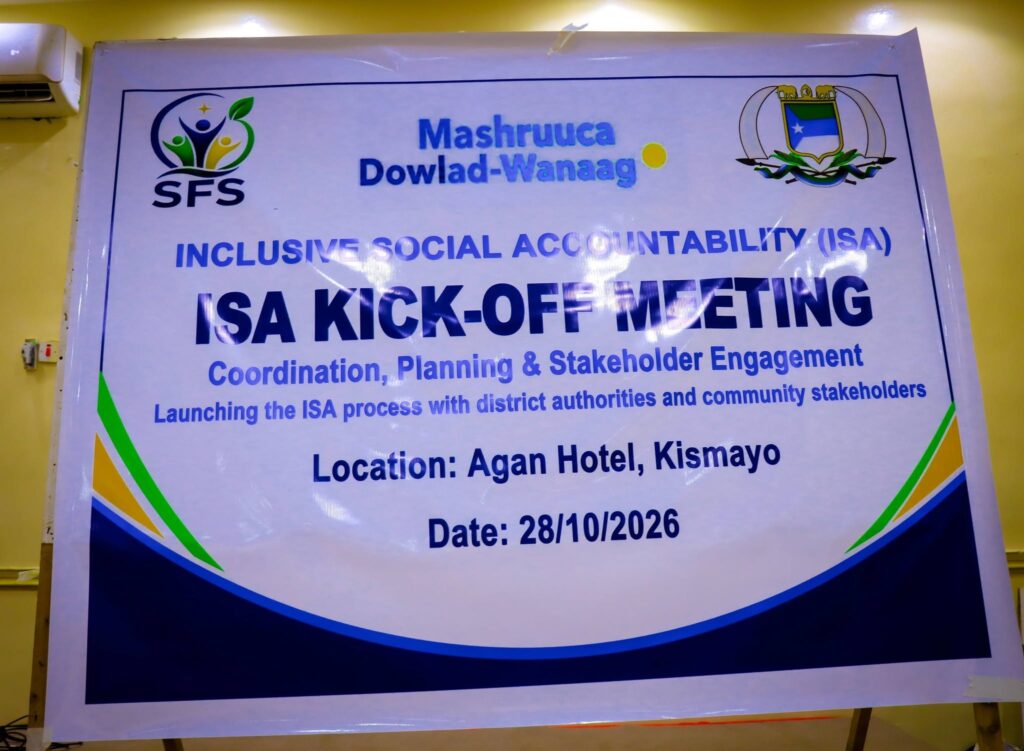

Kismayo, Somalia | 28 October 2026
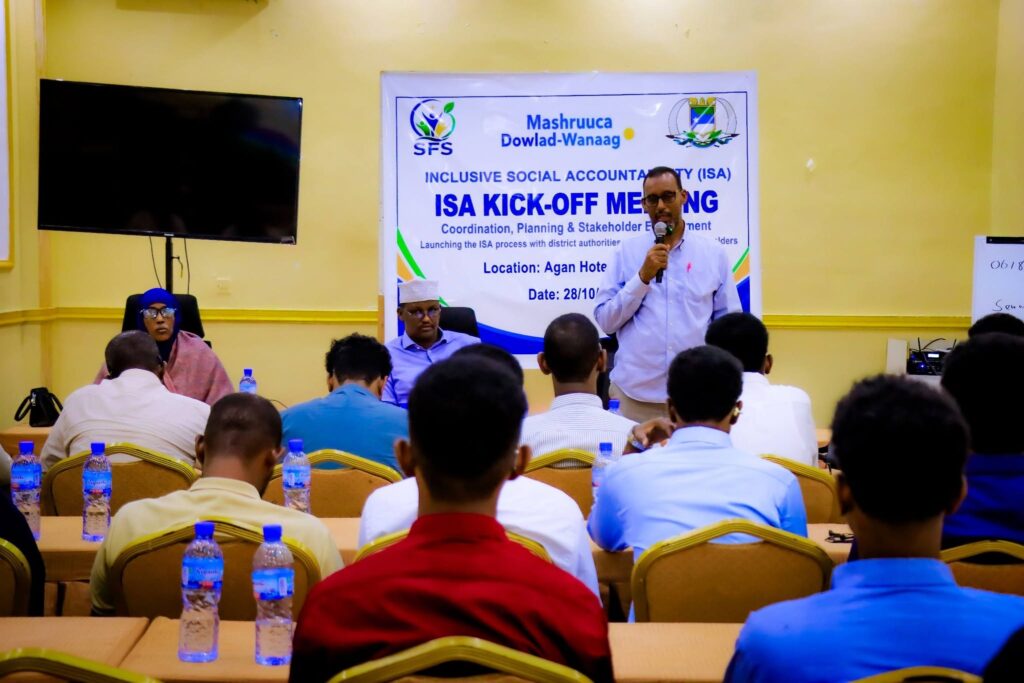
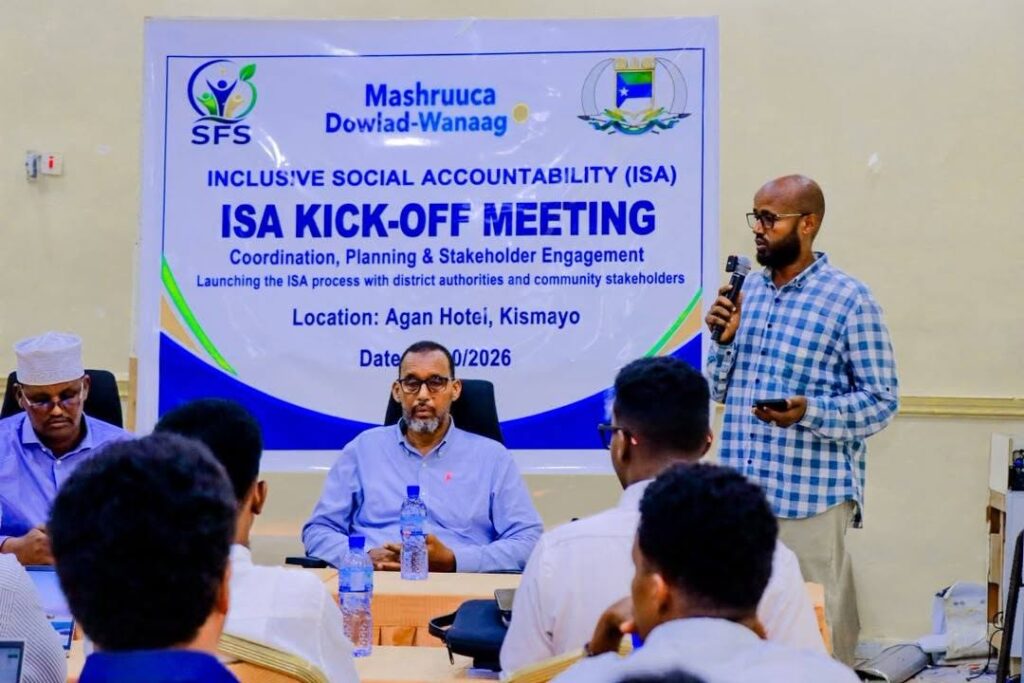
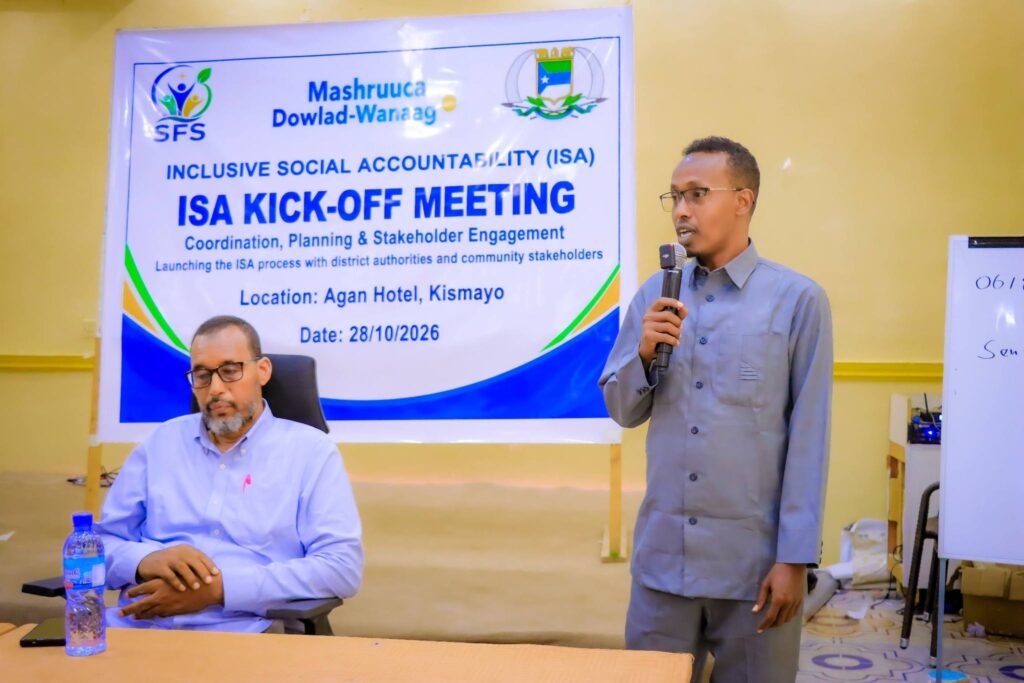
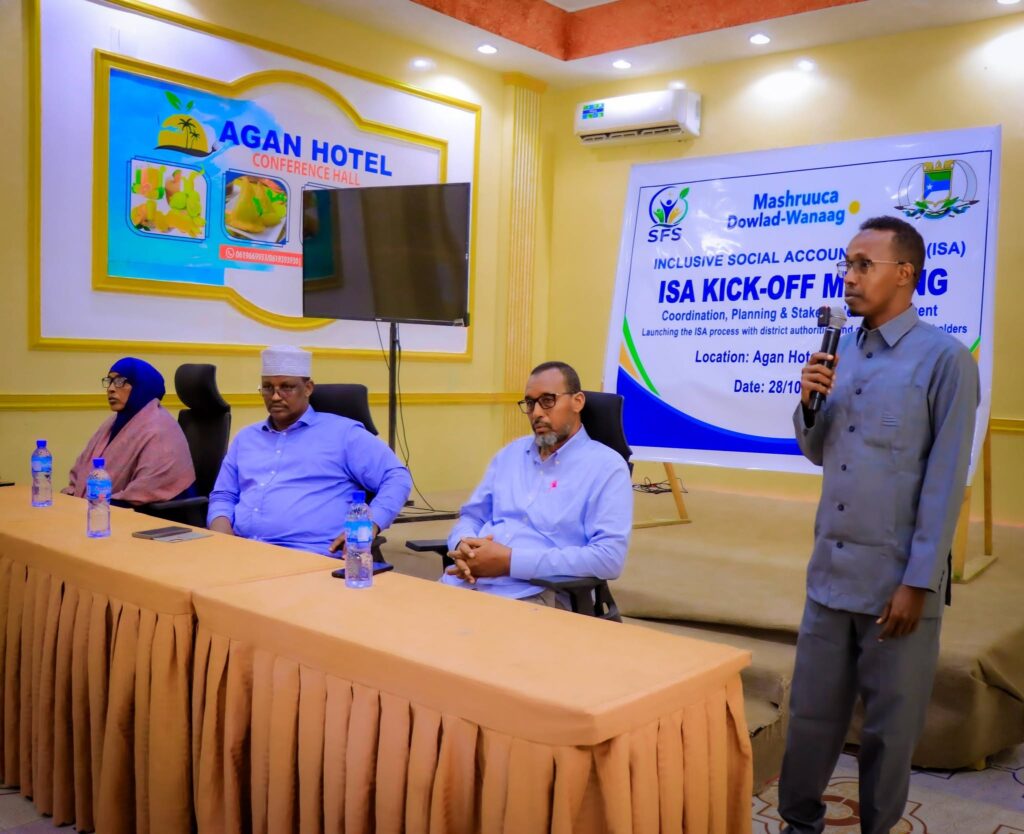
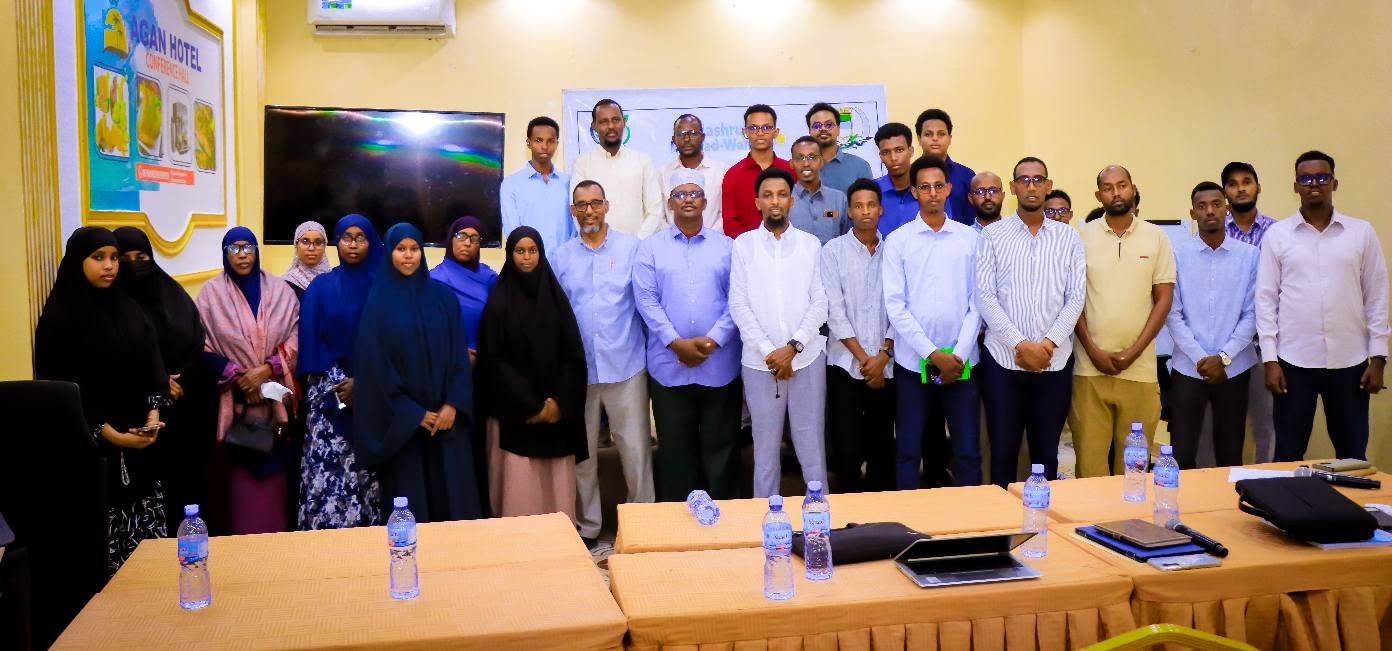
Somali Family Services (SFS), through the Dowlad-Wanaag Project, convened an inception and kick-off meeting in Kismayo to launch Inclusive Social Accountability (ISA) coordination and planning activities. The initiative aims to strengthen citizen participation, community engagement, and accountability between communities and local government institutions.
Inclusive social accountability is important because it creates opportunities for citizens—particularly women, youth, internally displaced persons (IDPs), and persons with disabilities (PWDs)—to participate meaningfully in decisions that affect their lives. It also promotes open dialogue, improves access to information, strengthens trust between communities and authorities, and helps ensure that public services and local development priorities respond to the needs of all community members.
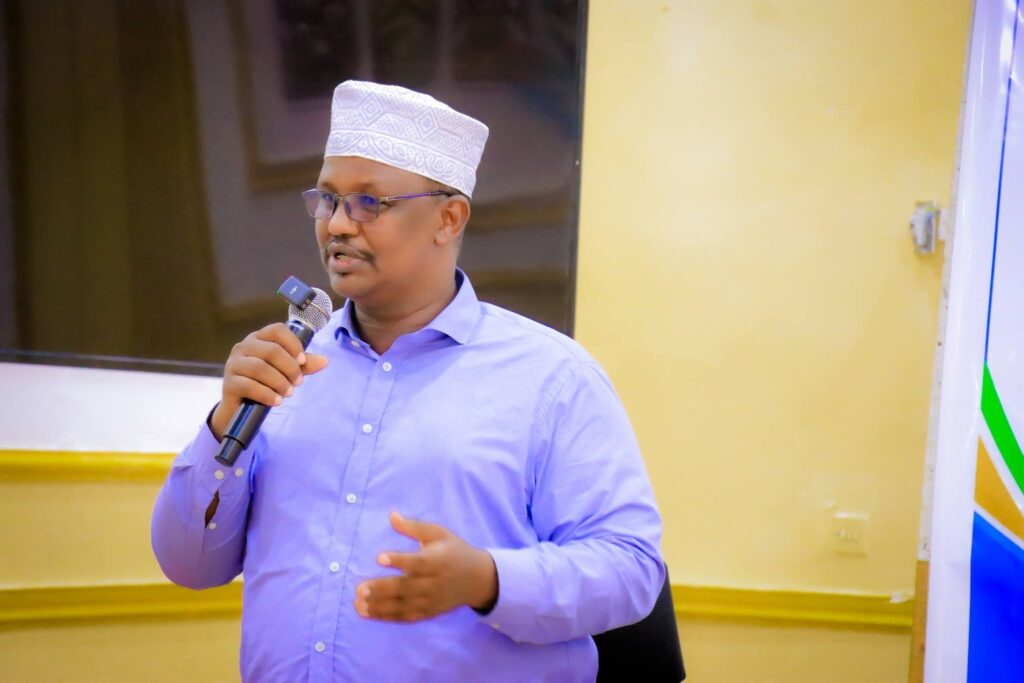
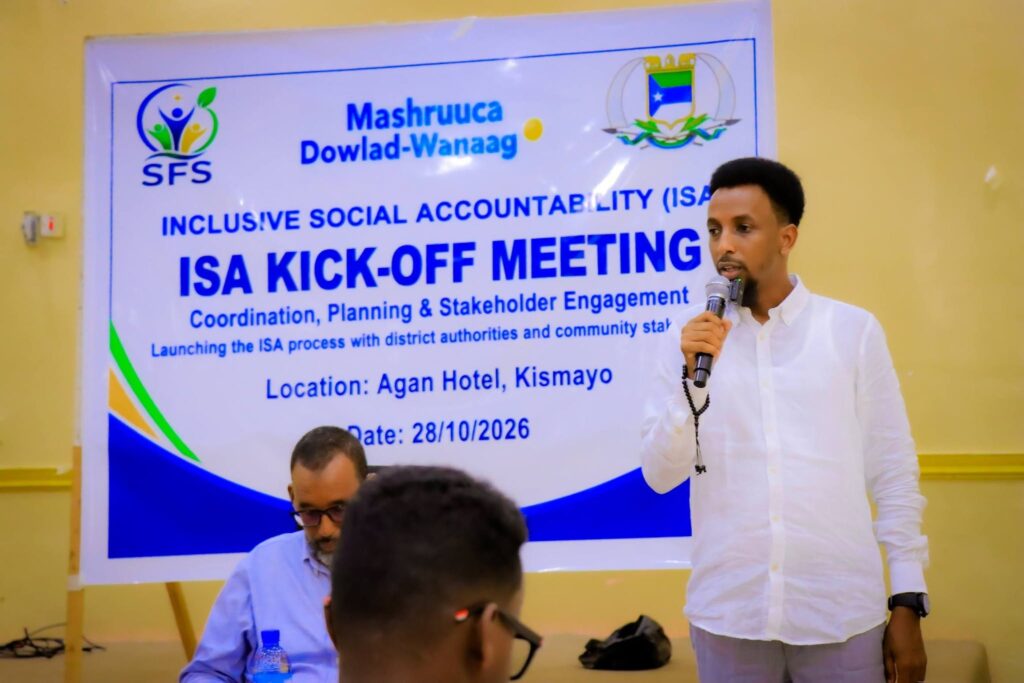
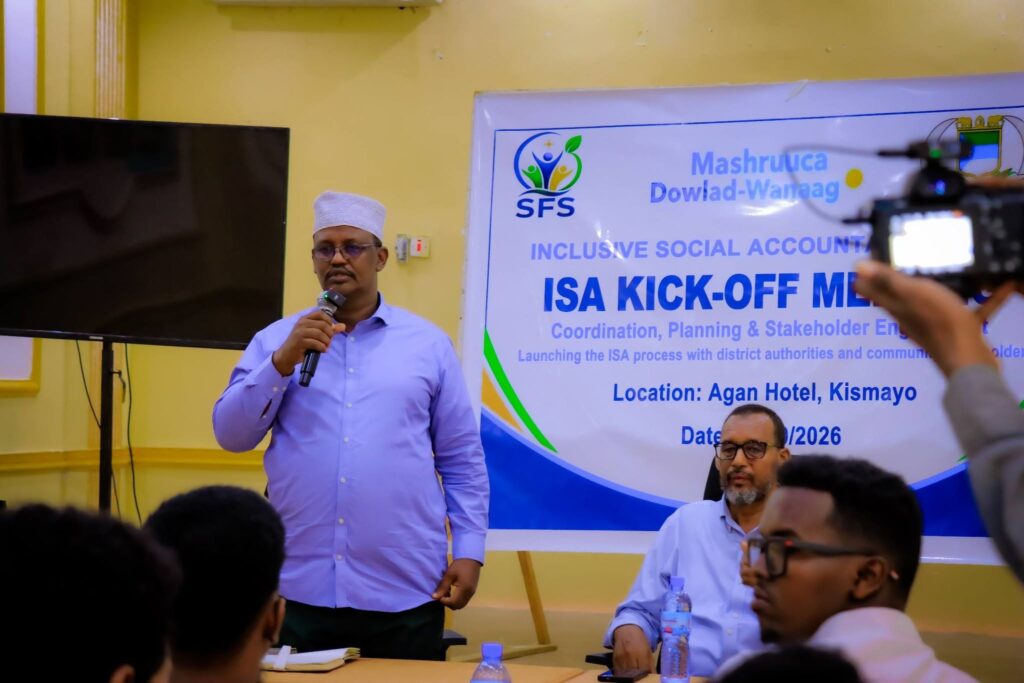
The meeting was officially opened by Mr. Omar Abdullahi (Fara Weyne), Mayor of Kismayo, who welcomed the initiative and emphasized the importance of community ownership, meaningful citizen participation, and stronger accountability between communities and local authorities. He highlighted the need for continued collaboration to ensure that local governance processes are inclusive, transparent, and responsive to community priorities.
Mr. Abdullahi Hussein, Director of the Department of Local Government at the Jubaland Ministry of Interior, underscored the importance of close collaboration among SFS, the Ministry, and district administrations. He noted that effective coordination is essential to align ISA activities with government priorities, strengthen local institutions, and support inclusive implementation at the community level.
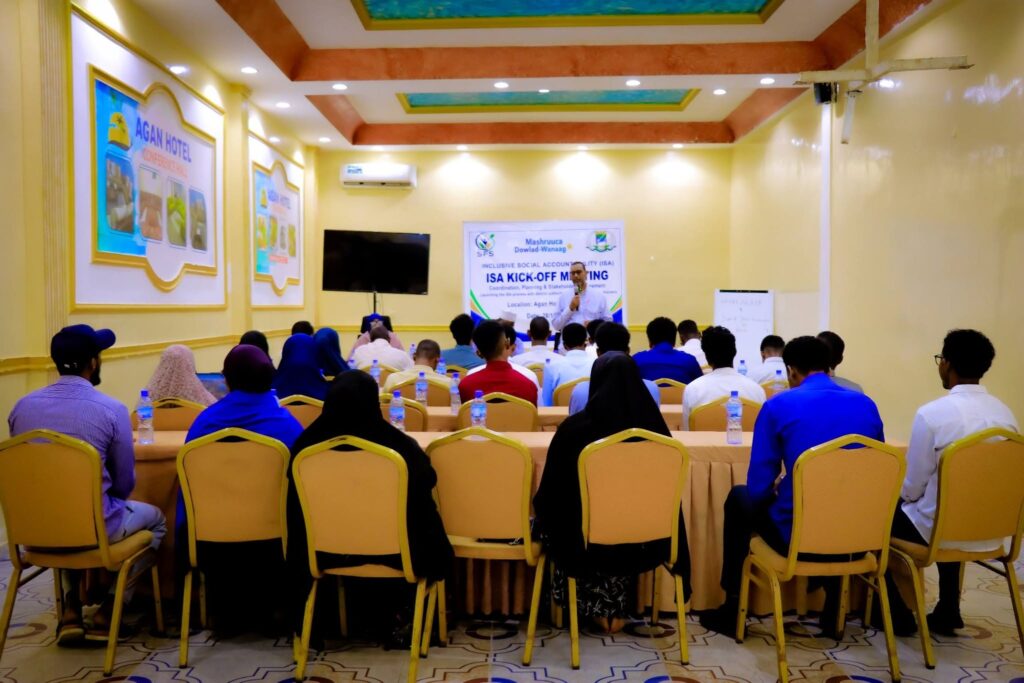
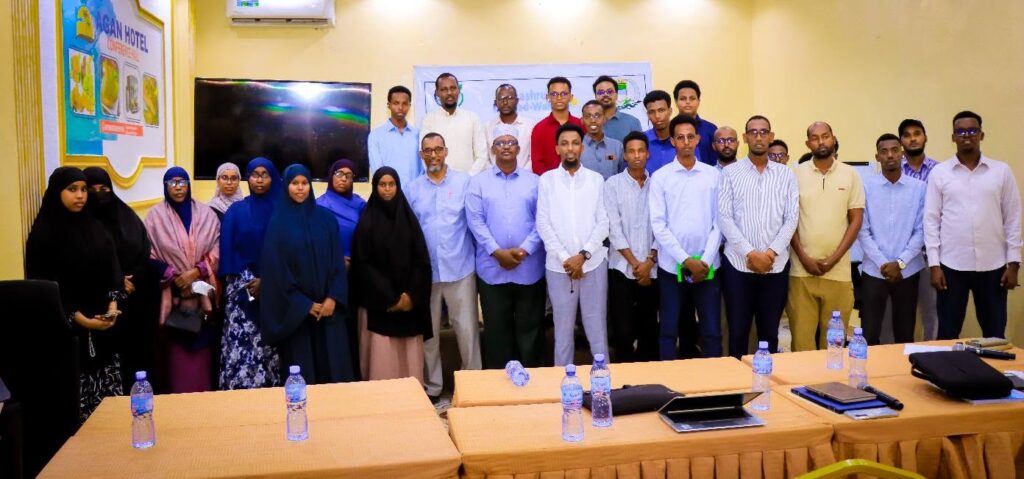
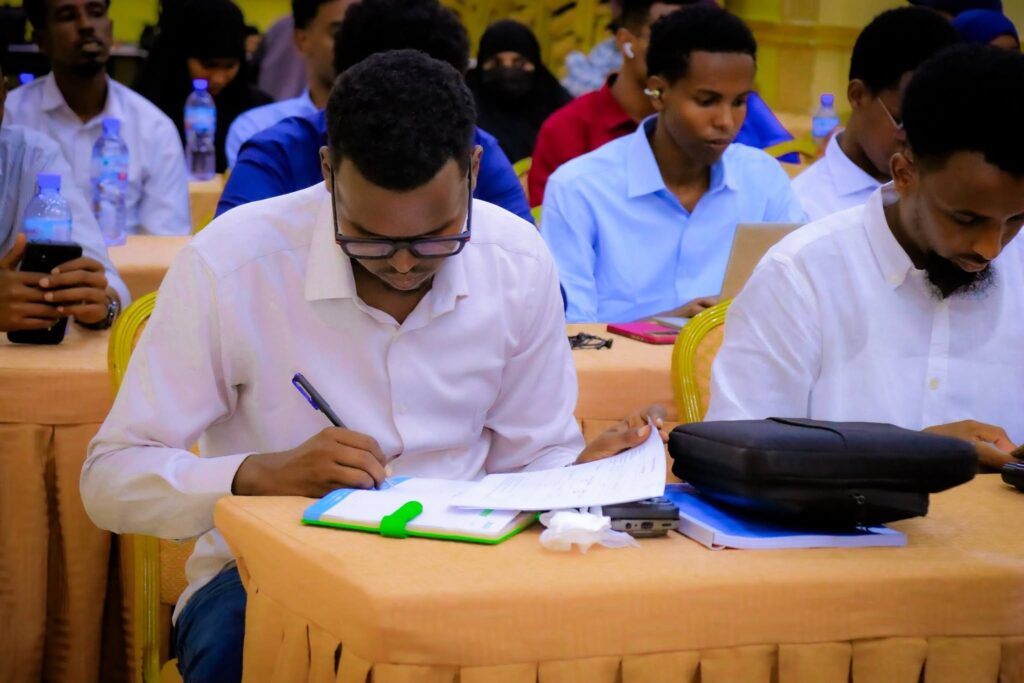
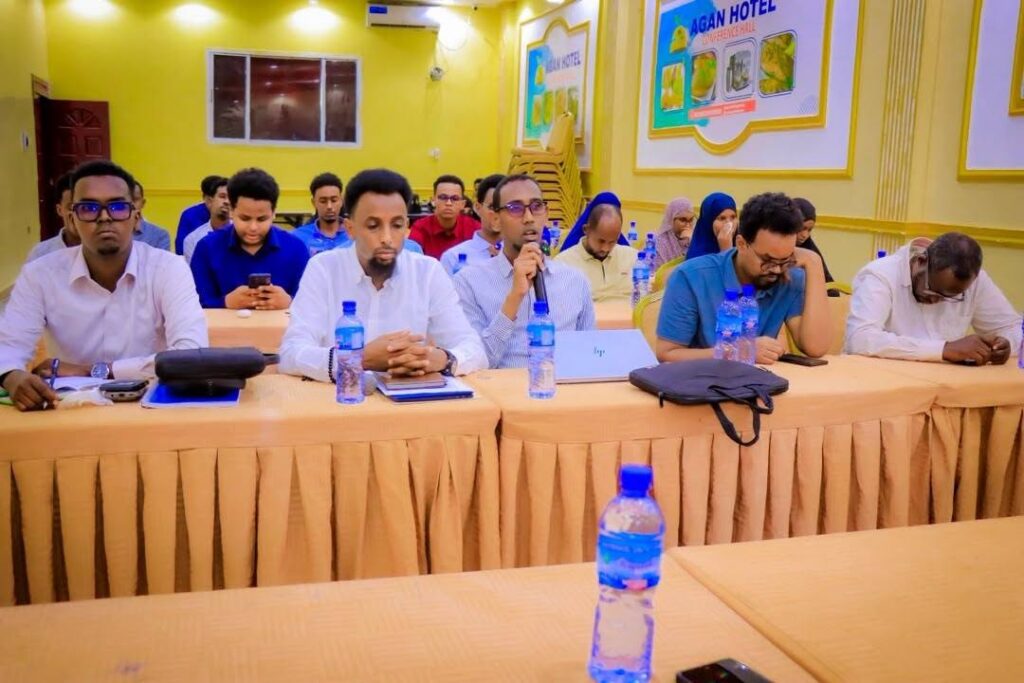
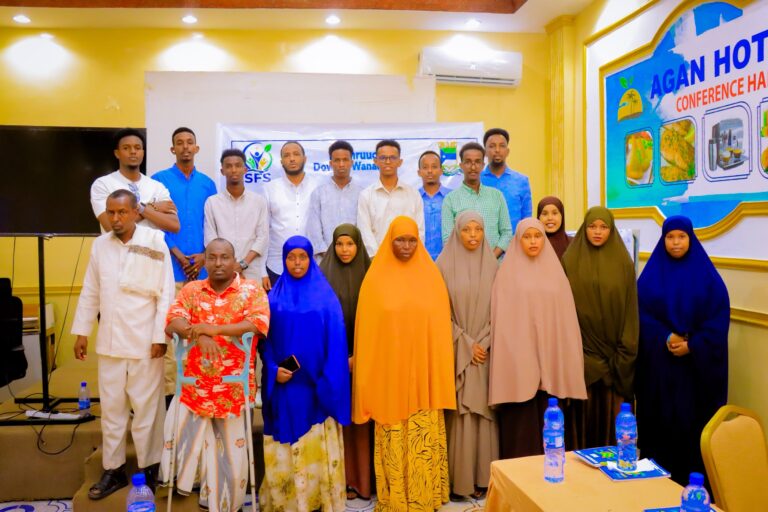
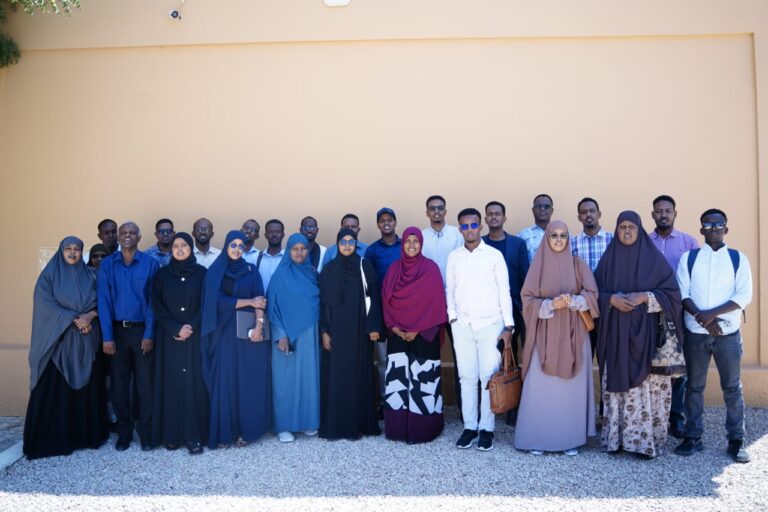
The meeting brought together 30 participants, including 22 men and 8 women, as well as 14 youth, 3 internally displaced persons (IDPs), and 2 persons with disabilities (PWDs). The participation of diverse community representatives reflects the commitment to ensuring that groups who are often underrepresented in decision-making processes have opportunities to share their views, raise concerns, and contribute to local governance discussions.
The meeting concluded with a shared commitment to strengthening inclusive participation, constructive dialogue, information sharing, and collaboration between citizens and local government institutions. Participants also recognized that sustained engagement and regular coordination are essential for building trust, addressing community concerns, and improving the responsiveness of local authorities.
Through the Dowlad-Wanaag Project, SFS remains committed to promoting inclusive governance, social accountability, and responsive local institutions that reflect the priorities, rights, and aspirations of all communities. By supporting meaningful citizen engagement, the project contributes to stronger relationships between communities and authorities and helps create a foundation for more transparent, participatory, and accountable local governance.