
DHOBLEY, JUBALAND — 12–16 September 2026
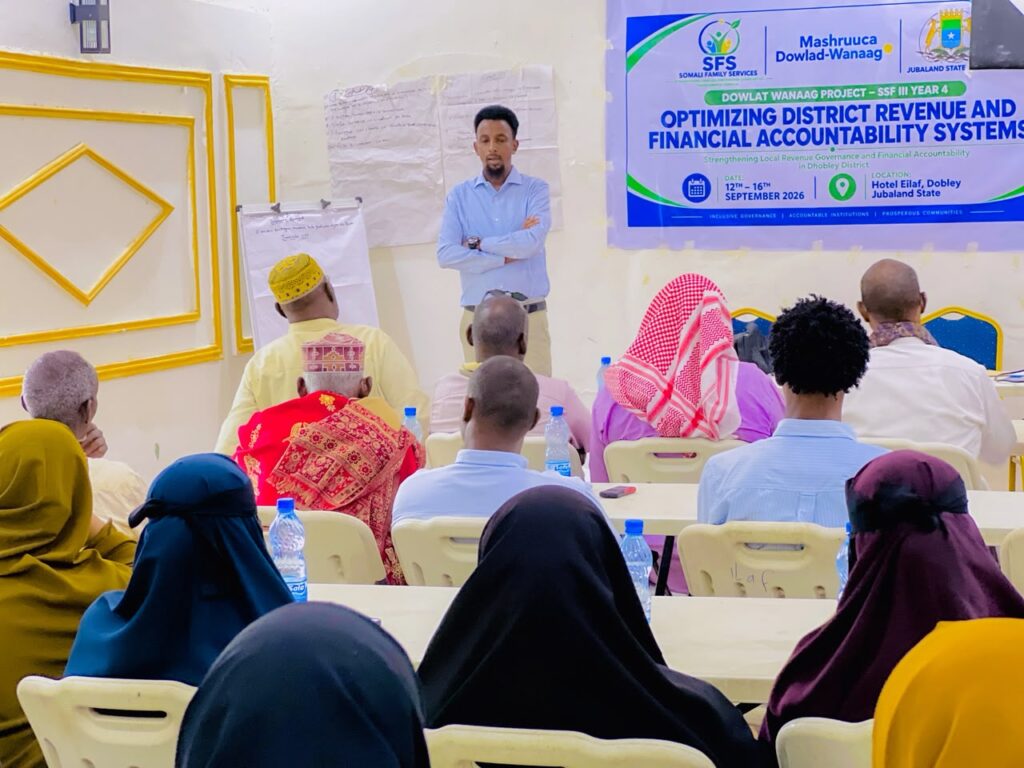
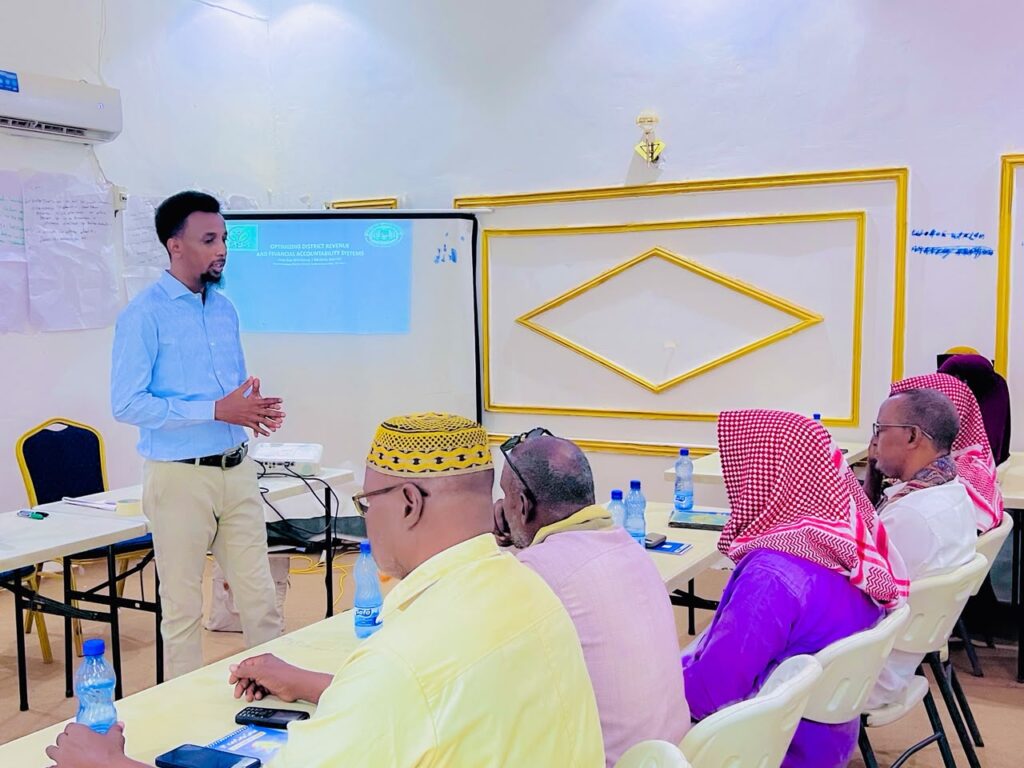
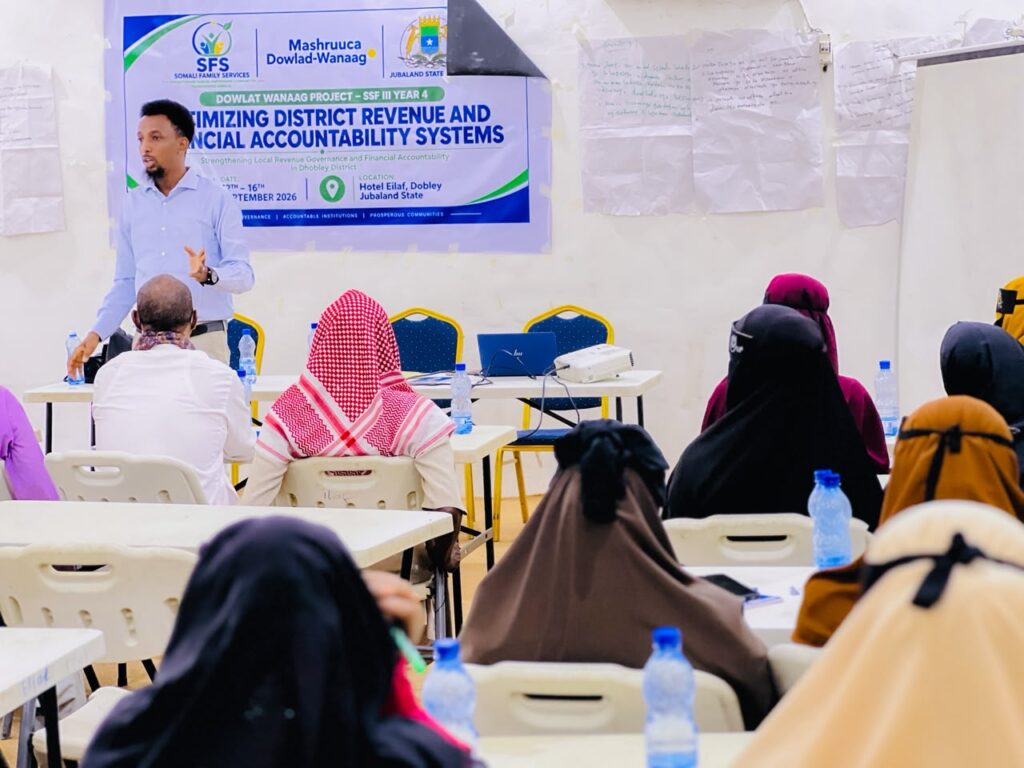
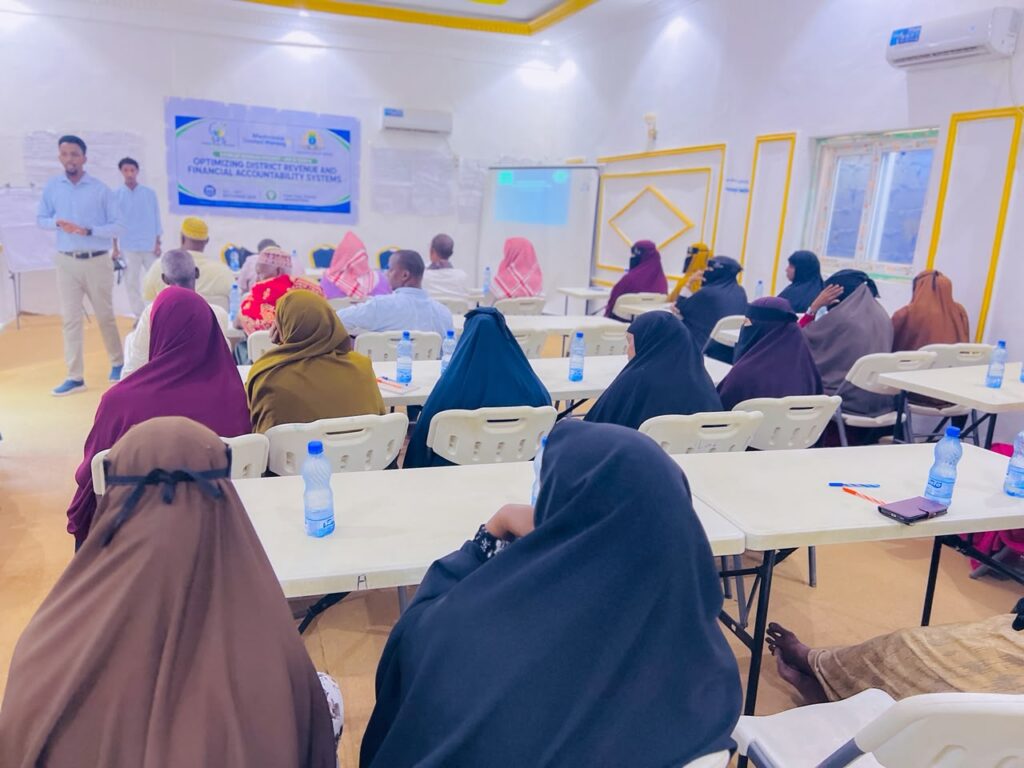
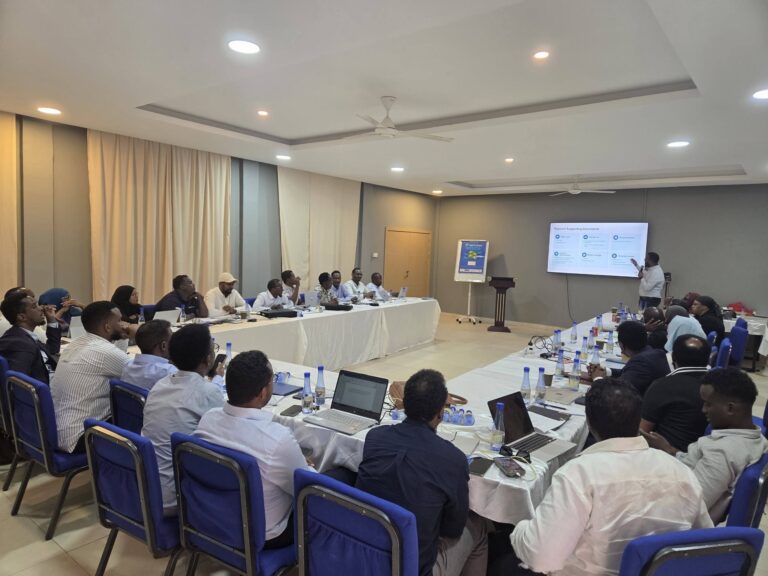
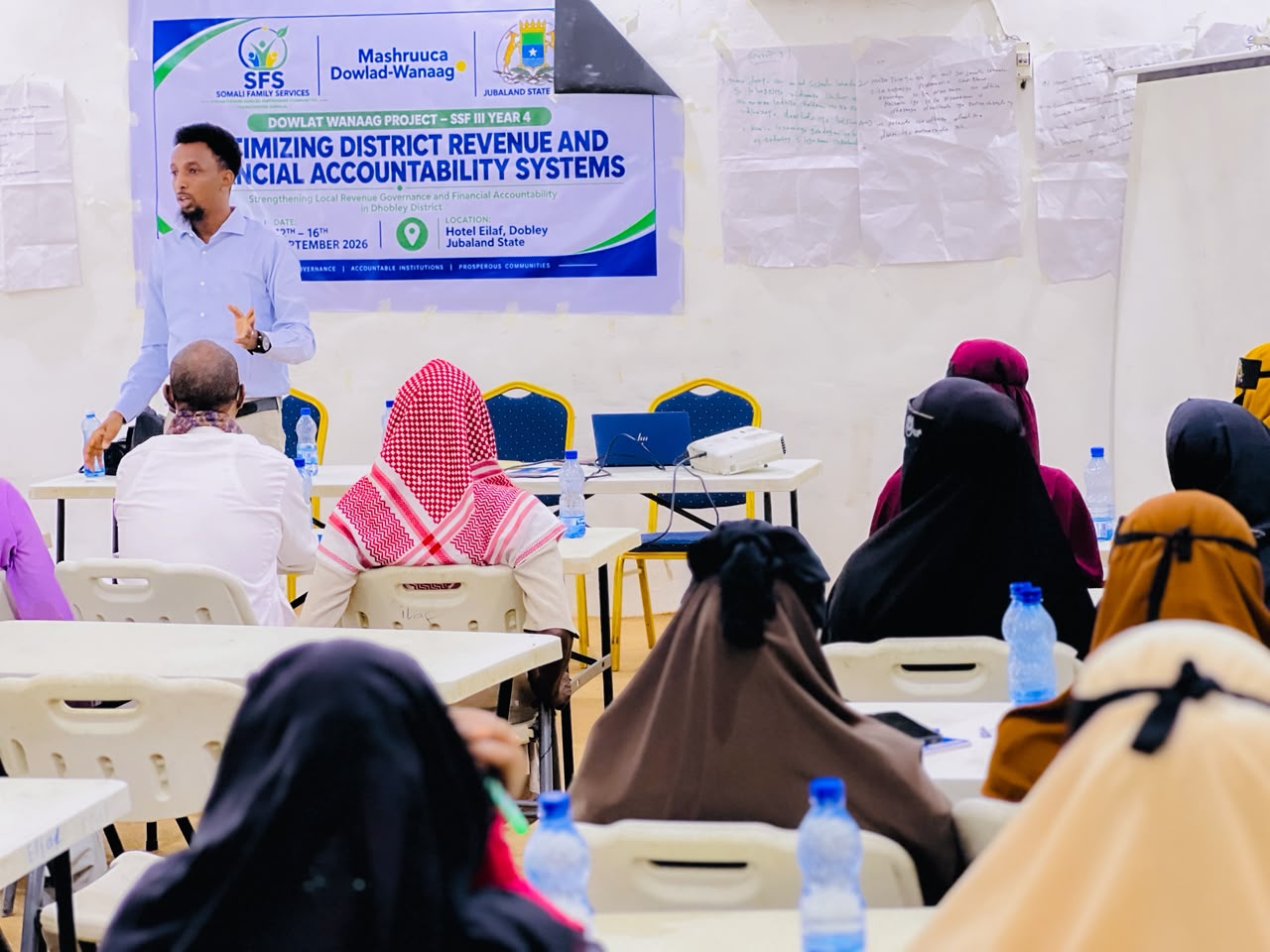
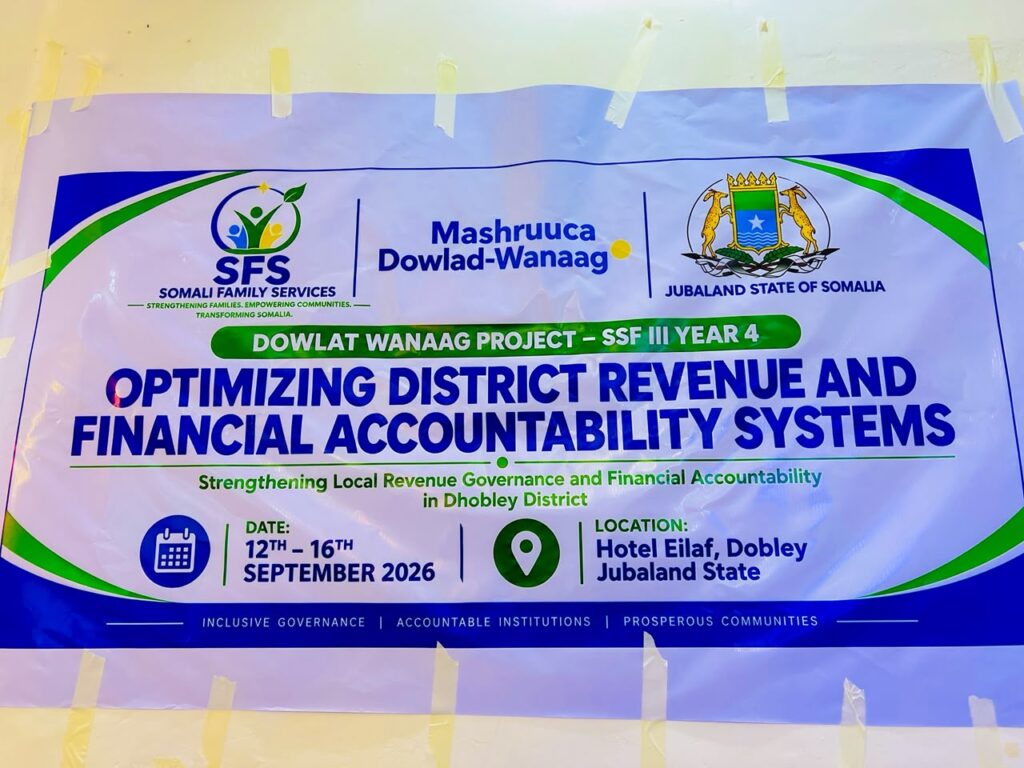
Somali Family Services (SFS) conducted a five-day training in Dhobley, Jubaland, from 12–16 September 2026, focused on improving district revenue systems, strengthening financial management, and promoting accountability and transparency in local revenue administration.
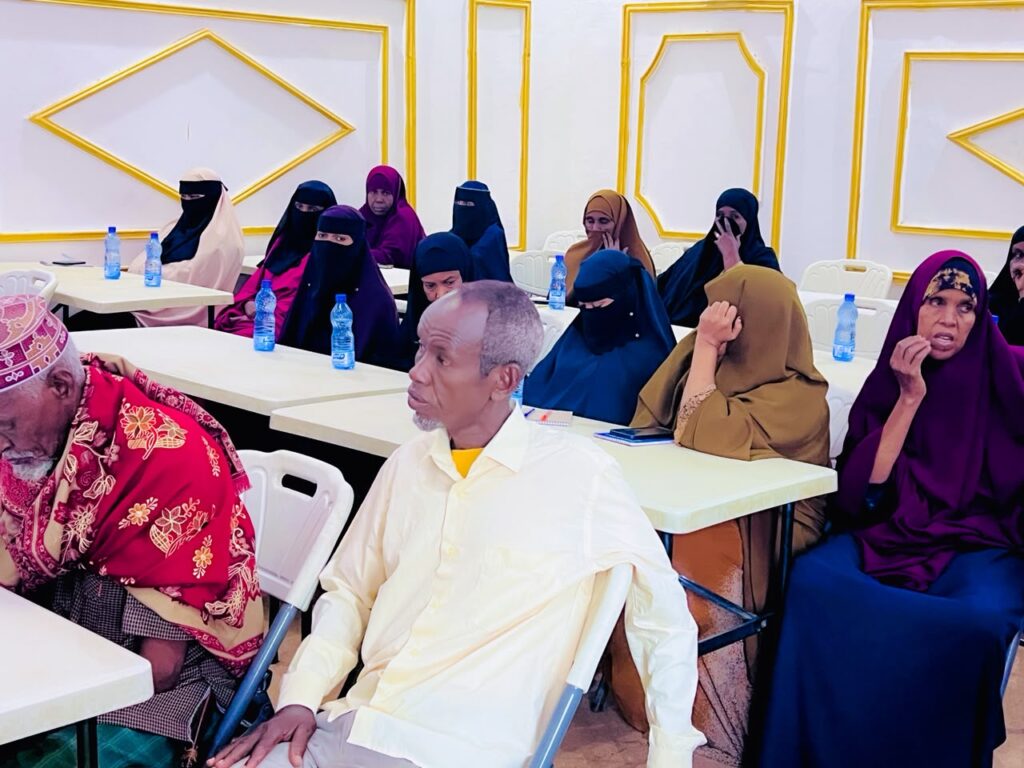
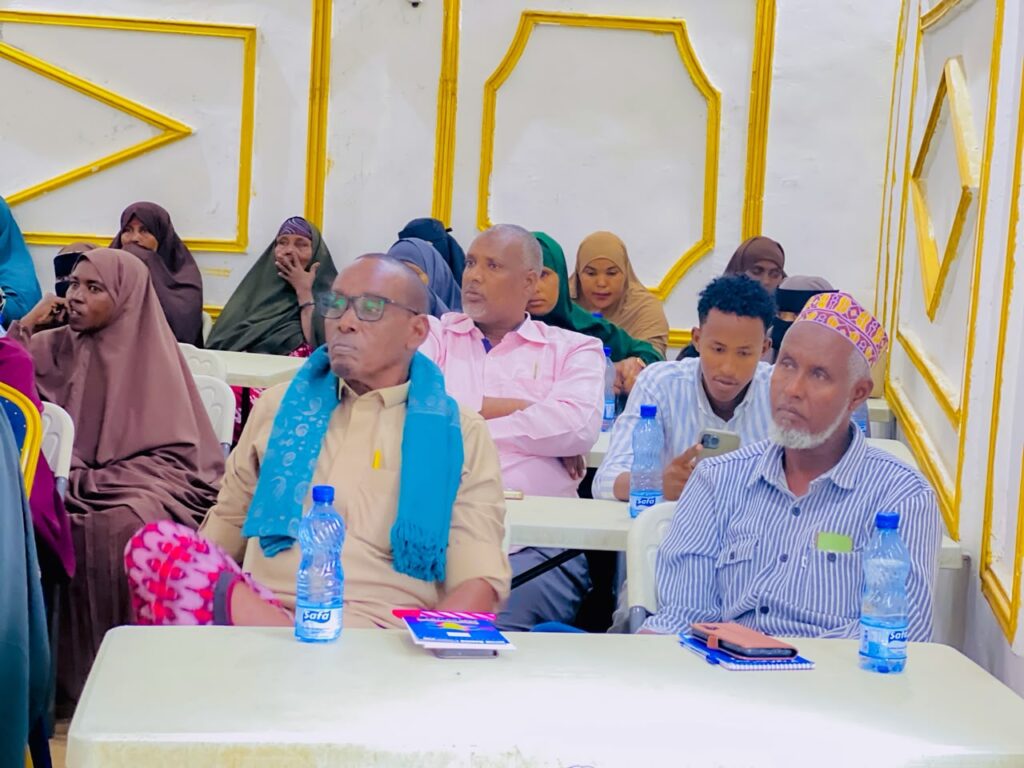
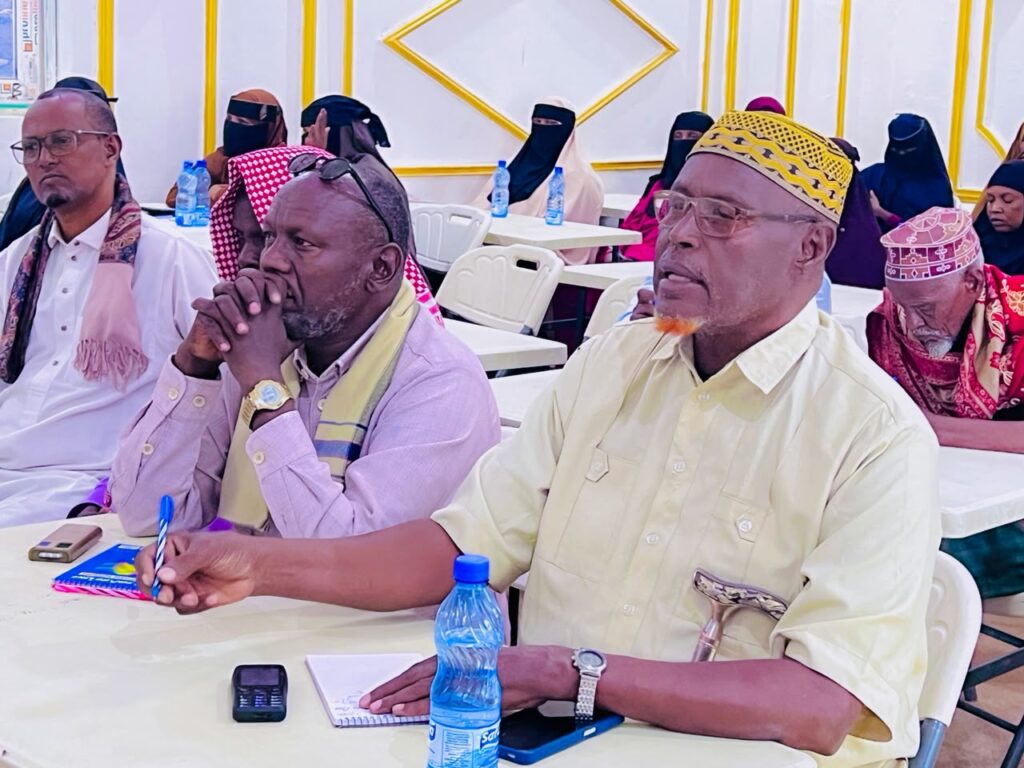
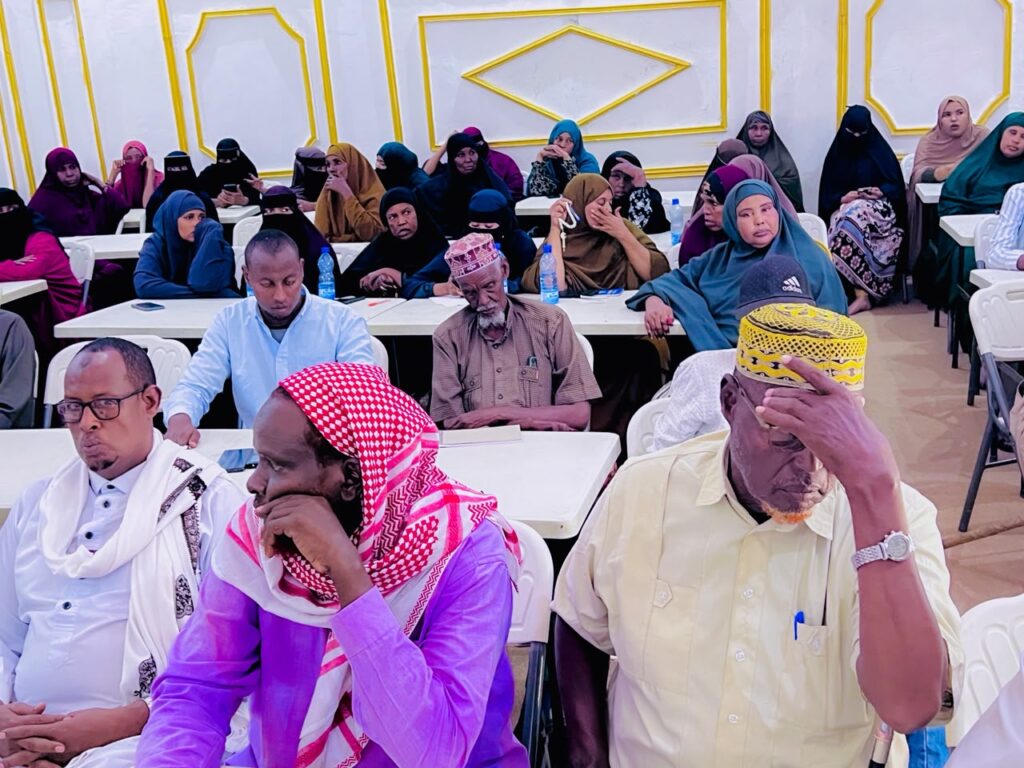
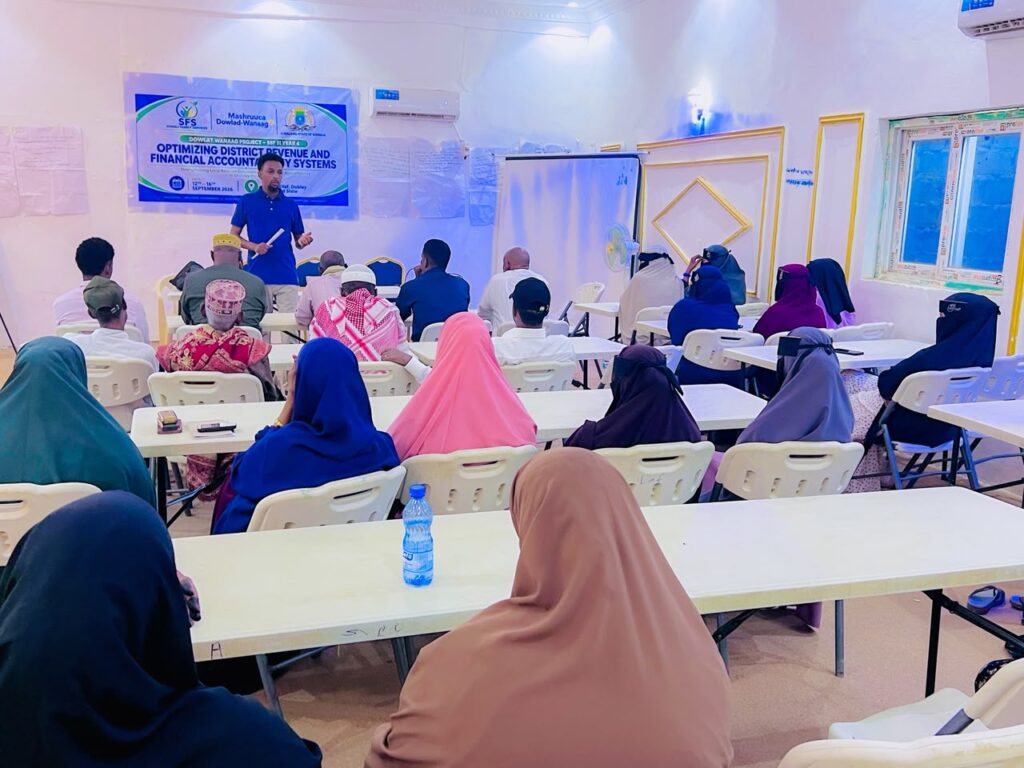
The training brought together 55 participants, including 38 females and 17 males, with 20 youth, 4 persons with disabilities (PWDs), and 3 internally displaced persons (IDPs). The participants represented diverse sections of the community, including community elders, academics, business owners, youth, and women.
Purpose of the Training
The training was organized to strengthen participants’ understanding of effective domestic revenue collection and management at the district level. It aimed to improve knowledge and practices related to revenue mobilization, financial accountability, transparency, and responsible financial management.
The training also provided a platform for community stakeholders to discuss challenges affecting local revenue generation and identify practical opportunities for improving revenue systems and strengthening cooperation between local authorities, businesses, and the wider community.
Key Areas Covered
The sessions focused on several important areas, including:
- Domestic revenue collection and mobilization.
- Effective management and administration of district revenues.
- Transparency and accountability in financial management.
- The roles and responsibilities of different stakeholders in revenue generation.
- Improving cooperation between local authorities and the business community.
- Identifying challenges and opportunities related to local revenue collection.
- Strengthening public awareness and participation in local financial management.
- Promoting responsible and transparent use of public resources.
Benefits and Expected Outcomes
Participants gained improved knowledge of district revenue systems and the importance of transparent and accountable financial management. The training also strengthened participants’ understanding of their respective roles in supporting local revenue generation and good governance.
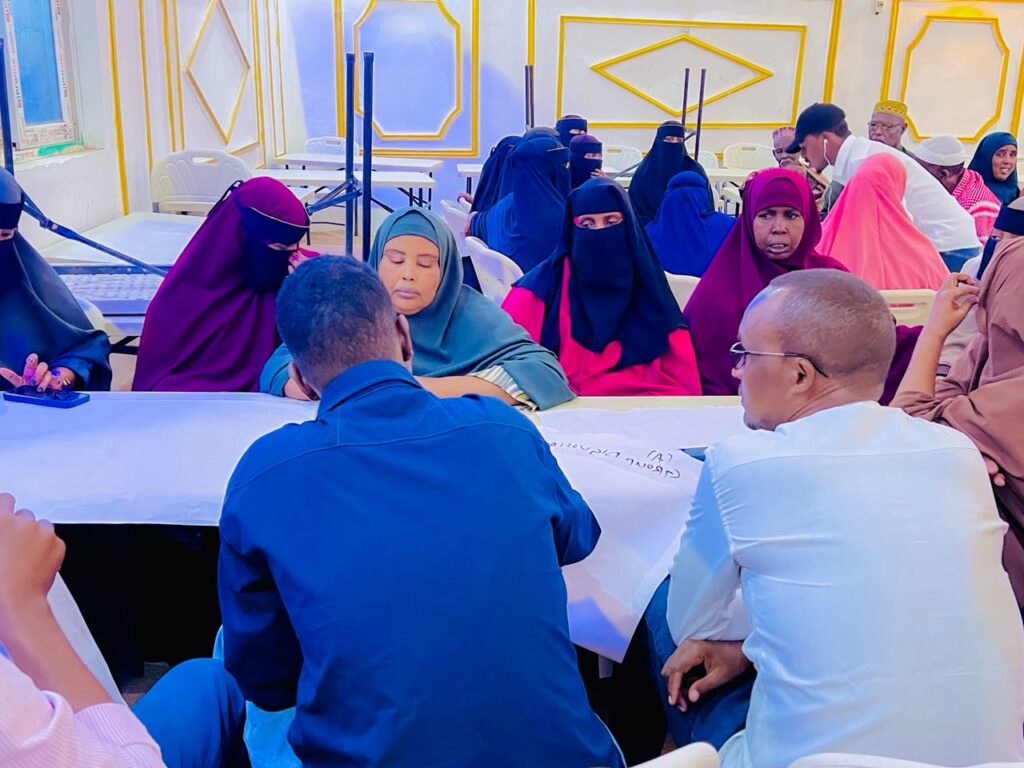
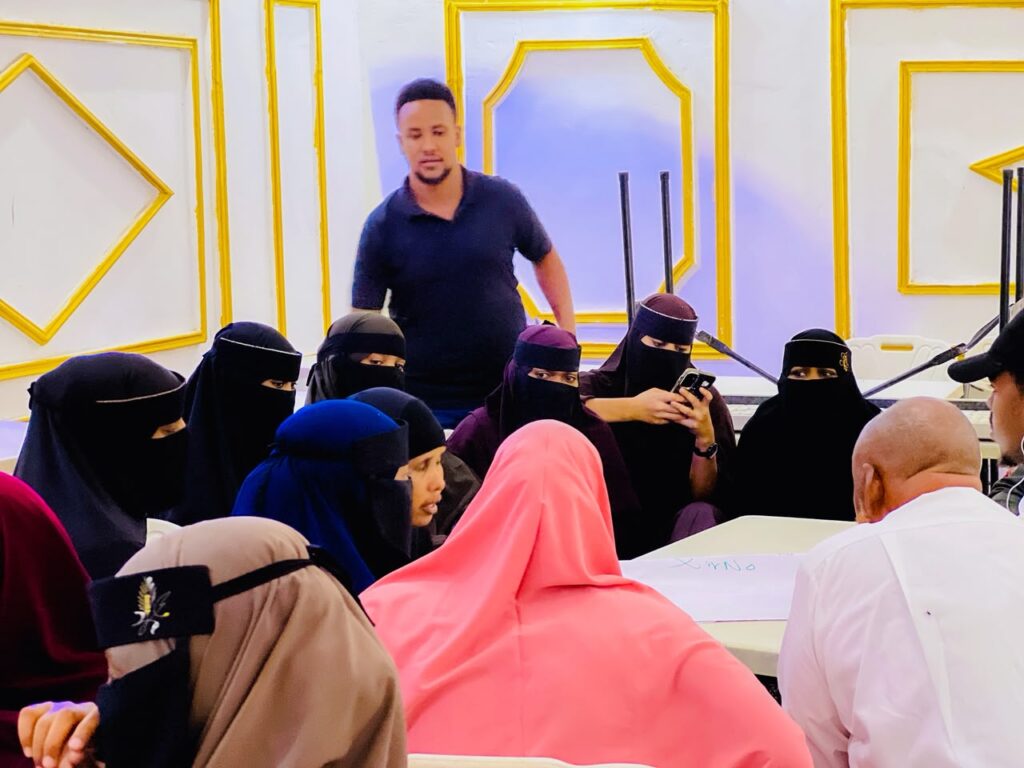
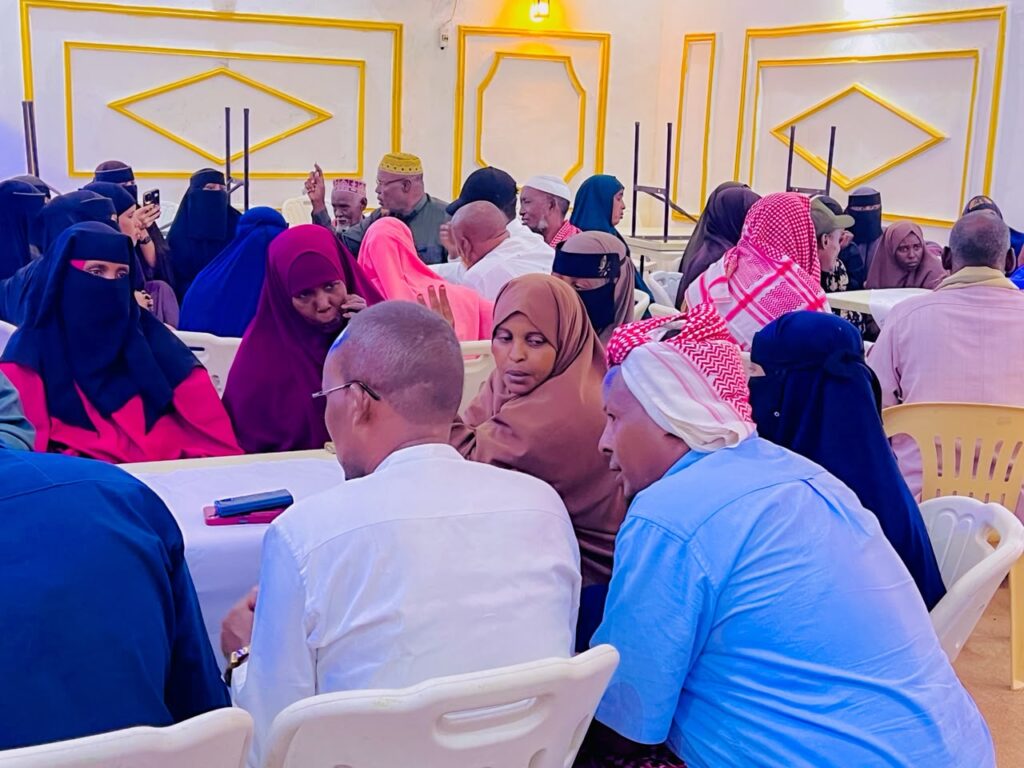
Through group discussions and experience-sharing sessions, participants had the opportunity to identify practical challenges and propose possible solutions for improving domestic revenue collection. The discussions also encouraged greater collaboration among community representatives, business owners, youth, women, and other stakeholders.
The training is expected to contribute to improved revenue administration, stronger financial accountability, increased transparency, and better engagement between local government structures and the community. Strengthening these areas can support more effective planning and contribute to improved delivery of essential services to local communities.
Community Participation
The active participation of women, youth, persons with disabilities, internally displaced persons, community elders, academics, and business owners helped ensure that different community perspectives were reflected throughout the training. Their participation also provided an opportunity to discuss how inclusive community engagement can contribute to stronger local governance and sustainable development.
Project Framework
The training was implemented under the Good Governance Project – SSF III, Year 4, as part of ongoing efforts to strengthen good governance, improve local financial management, promote transparency and accountability, and support more effective service delivery at the community level.
Through initiatives such as this training, Somali Family Services (SFS) continues to support communities and local stakeholders by strengthening knowledge, encouraging inclusive participation, and promoting accountable and transparent governance systems.